Useful Info
Rural Property Investment in Madeira
31/10/25By Nuno Pereira
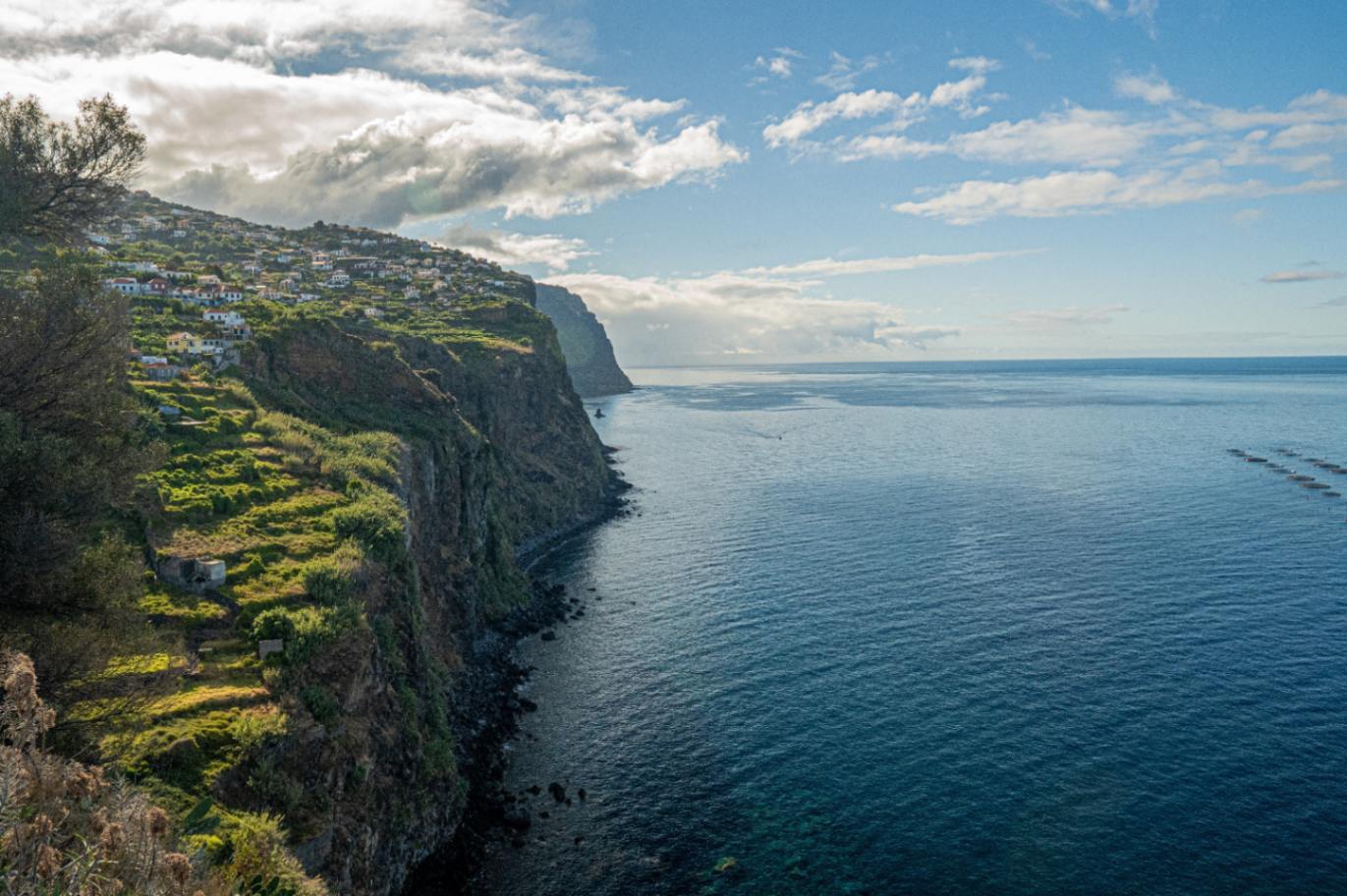
Looking to invest in Madeira? Discover why rural properties are an attractive opportunity. See tips, risks, and profitability strategies.
Madeira’s stunning landscapes, strong tourism growth, and rising interest in nature travel make rural properties, farms, rustic houses, and agricultural land, an attractive investment. Increasing numbers of digital nomads, foreign buyers, and investors seeking renovation and rural tourism opportunities are driving demand and raising property values across the island.
Buying rural property requires attention in three areas:
Taxes and fees: In addition to the purchase price, factor in the IMT (property transfer tax), stamp duty, and IMI (annual property tax); Madeira offers attractive tax regimes, something to consider depending on the purpose of the purchase (residence vs. tourism activity). Consulting a local tax lawyer or accountant reduces risks and optimizes the investment structure.
In Madeira, there are several programs designed to support those looking to restore rural properties or convert abandoned houses into tourist accommodations.
One of the most relevant is the Crescer com o Turismo Program, launched by Turismo de Portugal. This initiative encourages projects focused on improving tourism quality, sustainability, and innovation and it also extends to the autonomous regions. It is an excellent opportunity for investors interested in rural tourism, ecotourism, or authentic local lodging experiences.
Another key initiative is the Regenerate Territories – Transform Tourism Line, which promotes urban and rural rehabilitation through funding, part of it non-repayable, for projects that revitalize local heritage and boost the tourism economy.
At the regional level, the Government of Madeira, through IHM – Investimentos Habitacionais da Madeira, EPERAM offers the Degraded Property Recovery Program (PRID). This program provides financial assistance of up to €20,000 for the rehabilitation of degraded homes. While it is mainly aimed at residential use, it can also serve as a model for restoring old houses with potential for tourism development.
Additionally, the Casa Própria Program provides incentives for the construction and rehabilitation of primary residences, reinforcing the regional commitment to revitalizing the local housing stock. Together, these initiatives represent a sustainable investment opportunity, aligning tourism profitability with heritage preservation and the enhancement of Madeira’s rural areas.
Maximizing Return on Rural Property Investments in Madeira
1. Value-Added Strategies
2. Pre-Purchase and Licensing Checklist
3. Return Scenarios and Financial Insights
Rural Alojamento Local properties in municipalities such as Calheta, São Vicente, and Santana have shown consistent annual ADR growth (6–8% between 2021–2024) and stronger occupancy stability than urban Funchal.
4. Advanced Investment Strategies
Buying rural property requires attention in three areas:
- Regulations and usage restrictions (some agricultural plots or protected areas have limitations).
- Acquisition and renovation costs (IMT, stamp duty, IMI, and renovation costs).
- Income viability (long-term rental vs. local accommodation/rural tourism). In Portugal, there are no barriers to purchase by foreigners, but agricultural land and protected areas may have inherent specifications.
Taxes and fees: In addition to the purchase price, factor in the IMT (property transfer tax), stamp duty, and IMI (annual property tax); Madeira offers attractive tax regimes, something to consider depending on the purpose of the purchase (residence vs. tourism activity). Consulting a local tax lawyer or accountant reduces risks and optimizes the investment structure.
In Madeira, there are several programs designed to support those looking to restore rural properties or convert abandoned houses into tourist accommodations.
One of the most relevant is the Crescer com o Turismo Program, launched by Turismo de Portugal. This initiative encourages projects focused on improving tourism quality, sustainability, and innovation and it also extends to the autonomous regions. It is an excellent opportunity for investors interested in rural tourism, ecotourism, or authentic local lodging experiences.
Another key initiative is the Regenerate Territories – Transform Tourism Line, which promotes urban and rural rehabilitation through funding, part of it non-repayable, for projects that revitalize local heritage and boost the tourism economy.
At the regional level, the Government of Madeira, through IHM – Investimentos Habitacionais da Madeira, EPERAM offers the Degraded Property Recovery Program (PRID). This program provides financial assistance of up to €20,000 for the rehabilitation of degraded homes. While it is mainly aimed at residential use, it can also serve as a model for restoring old houses with potential for tourism development.
Additionally, the Casa Própria Program provides incentives for the construction and rehabilitation of primary residences, reinforcing the regional commitment to revitalizing the local housing stock. Together, these initiatives represent a sustainable investment opportunity, aligning tourism profitability with heritage preservation and the enhancement of Madeira’s rural areas.
Maximizing Return on Rural Property Investments in Madeira
1. Value-Added Strategies
- Incorporate thermal insulation, double-glazing, and solar water heating to improve energy efficiency and reduce operating costs.
- Use locally sourced materials (such as basalt stone and reclaimed Madeira wood) to maintain authenticity and qualify for sustainability grants under PRODERAM 2020 or its successor programs.
- Consider obtaining Alojamento Local Sustentável or Biosphere Certification, which are increasingly valued by eco-conscious European visitors.
- Sustainable Renovation and Certification
- Partner with local cooperatives or artisans to offer experiences like poncha workshops, embroidery, or banana plantation visits.
- Offer farm-to-table breakfasts using regional products. This can justify a 15–25% increase in the average daily rate (ADR) in rural accommodations.
- Use digital platforms such as Airbnb Experiences or GetYourGuide to upsell activities directly to guests.
- Authentic Experiences and Community Integration
- Near levadas (e.g., Rabaçal, Calheta, Santana): focus on hikers and nature lovers. Include gear storage, drying areas, and early breakfast options.
- Sea-view or cliff properties (Ponta do Sol, Jardim do Mar): attract couples and photographers. Invest in terraces, aesthetics, and privacy.
- Cultural villages (São Vicente, Santana): promote heritage stays. Preserve rustic façades while modernizing interiors.
- Targeted Segmentation
2. Pre-Purchase and Licensing Checklist
- Verify property registration (Registo Predial) through the Conservatória do Registo Predial and ensure it’s free from liens or adverse possession claims (usucapião).
- Check Alojamento Local (AL) eligibility with the local Câmara Municipal and confirm compliance with municipal regulations.
- Assess access to water, sewage, and electricity networks. Rural properties may need independent systems (septic tanks, boreholes), affecting both licensing and insurance.
- Request renovation quotes from certified contractors (alvará de construção required). Estimate €600–€1,000/m² for standard renovations, or €1,200–€1,600/m² for sustainable upgrades.
- Simulate taxes and fees: IMT (up to 7.5%), Stamp Duty (0.8%), IMI (0.3–0.45% annually), and IVA if applicable. Include 10–15% for legal, design, and furnishing costs.
3. Return Scenarios and Financial Insights
Rural Alojamento Local properties in municipalities such as Calheta, São Vicente, and Santana have shown consistent annual ADR growth (6–8% between 2021–2024) and stronger occupancy stability than urban Funchal.
- Conservative projections: occupancy around 40–50%, ADR €70–€90, payback period 8–12 years.
- Optimized, eco-certified projects offering experiences: occupancy 60–70%, ADR €100–€130, payback period 5–8 years.
- Increasing direct bookings through your own website or social media reduces OTA fees (15–18%) and improves margins.
4. Advanced Investment Strategies
- Fractional ownership or co-investment models: sharing maintenance and operations across small clusters (2–3 houses) can improve scalability.
- Smart operations: install keyless entry, solar panels with battery backup, and IoT monitoring systems to cut costs and downtime.
- Seasonal offers: promote “Digital Nomad in Nature” packages for remote workers seeking long-stay options in Madeira’s low season.
Need Help?
Have a question about the real estate market?
Q&AHave a specific request?
Specific request? Please Contact usMore Useful Information
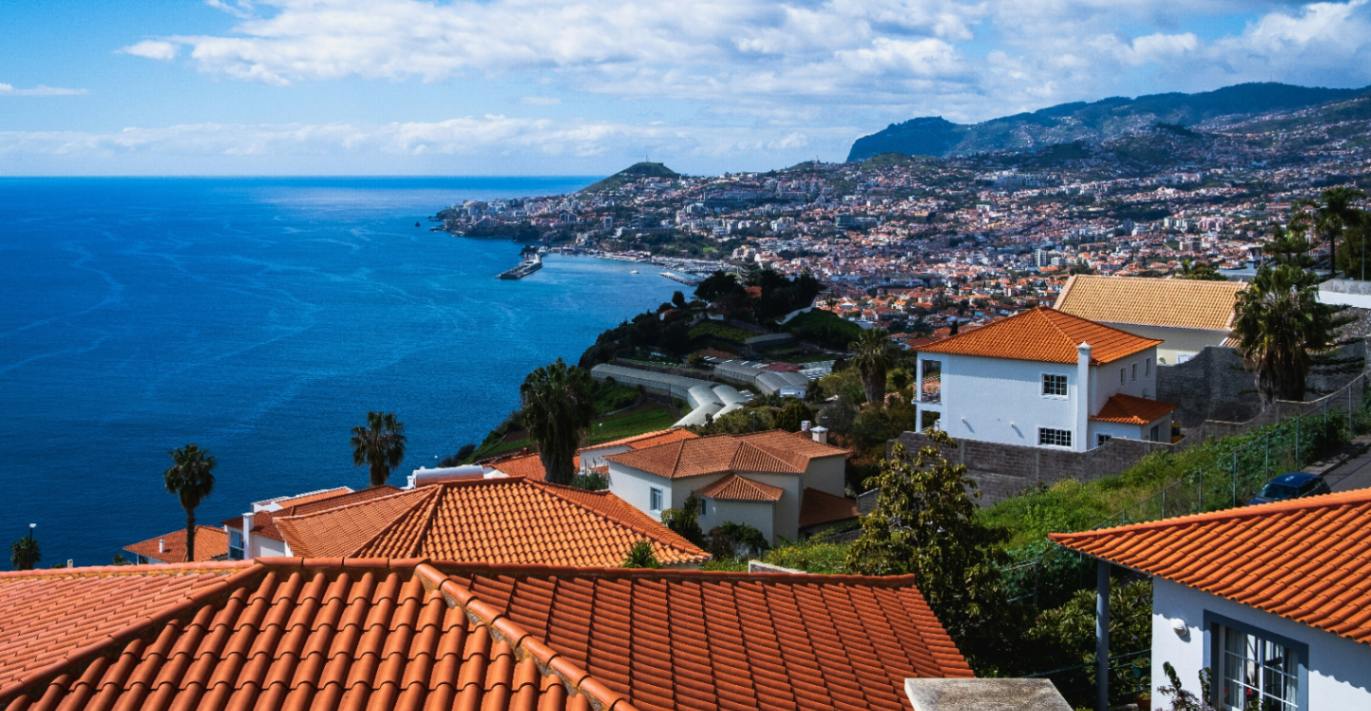
Renting vs Buying in Madeira: What Makes More Sense?
With property prices rising consistently over recent years and demand showing no signs of slowing down, the question many people ask when considering Madeira is a straightforward one: is it better to rent or to buy?
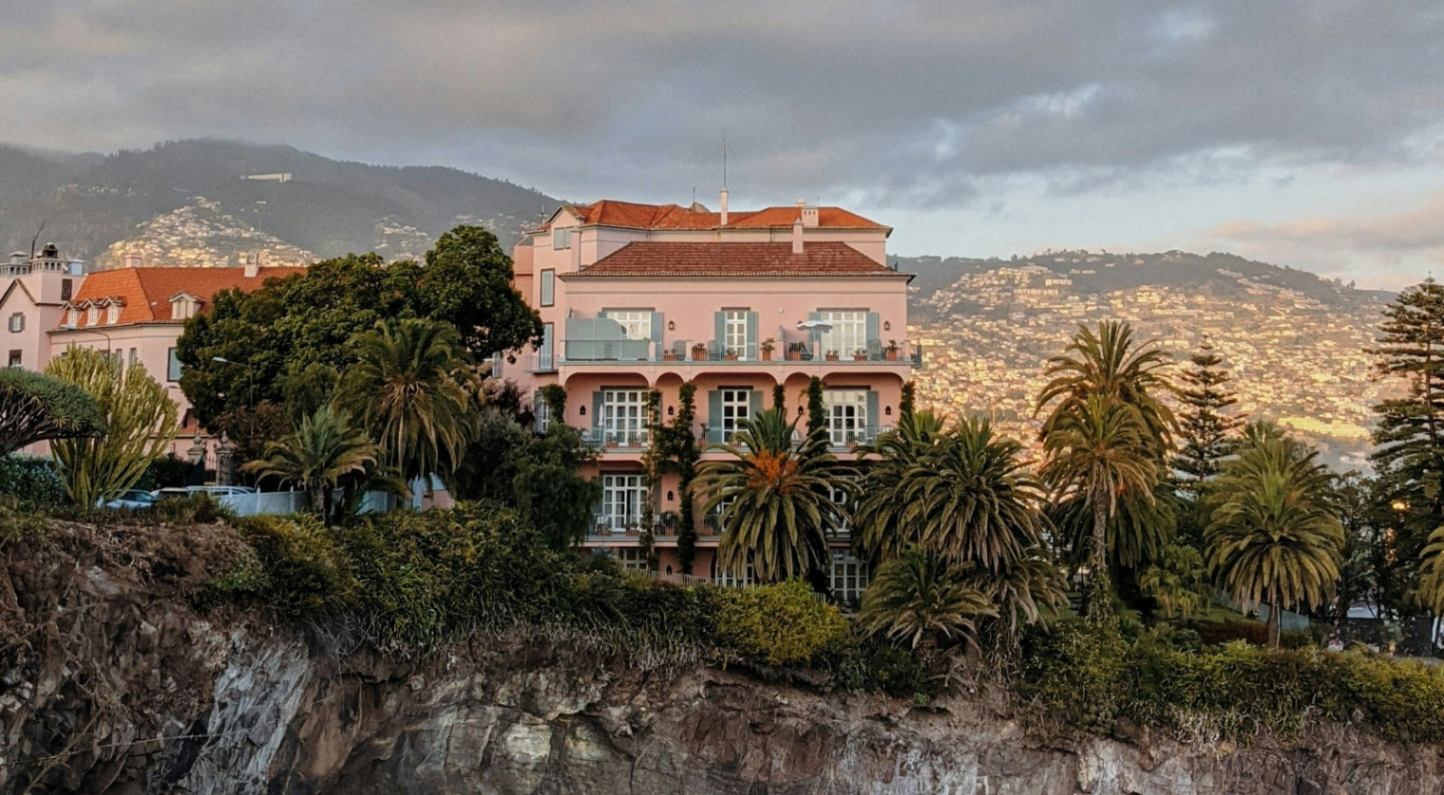
AL in Funchal: The Future of Short-Term Rentals
New regulations for Short-Term Rentals are transforming Madeira's property market. What does this mean for those who have already invested, those looking to buy, and the future of property prices on the island?
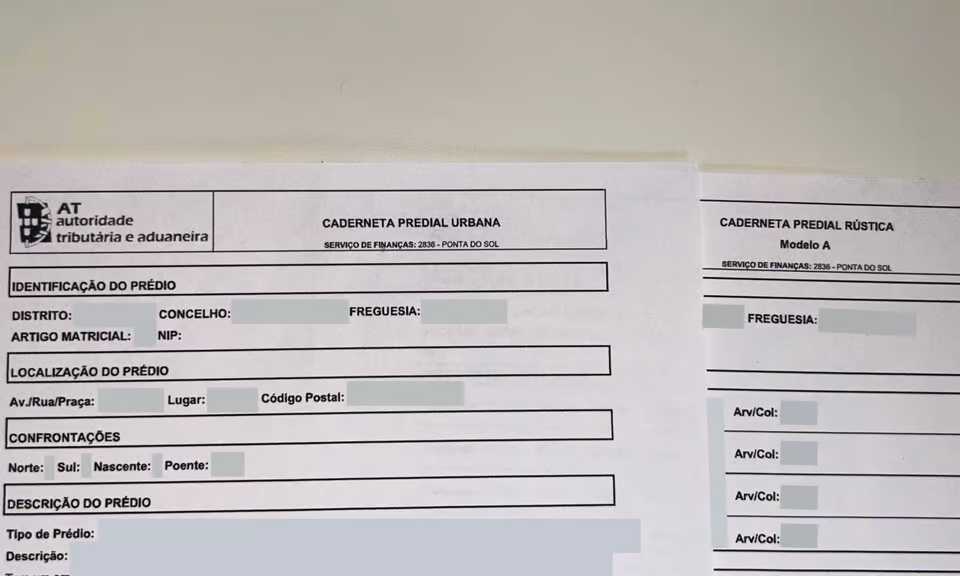
Rustic vs Urban: Key Property Differences
Discover the differences between rustic and urban properties in Portugal, including taxation, legal uses, and how to change a property from rustic classification to urban.