Useful Info
Rustic vs Urban: Key Property Differences
20/03/26By Francisco Gonçalves
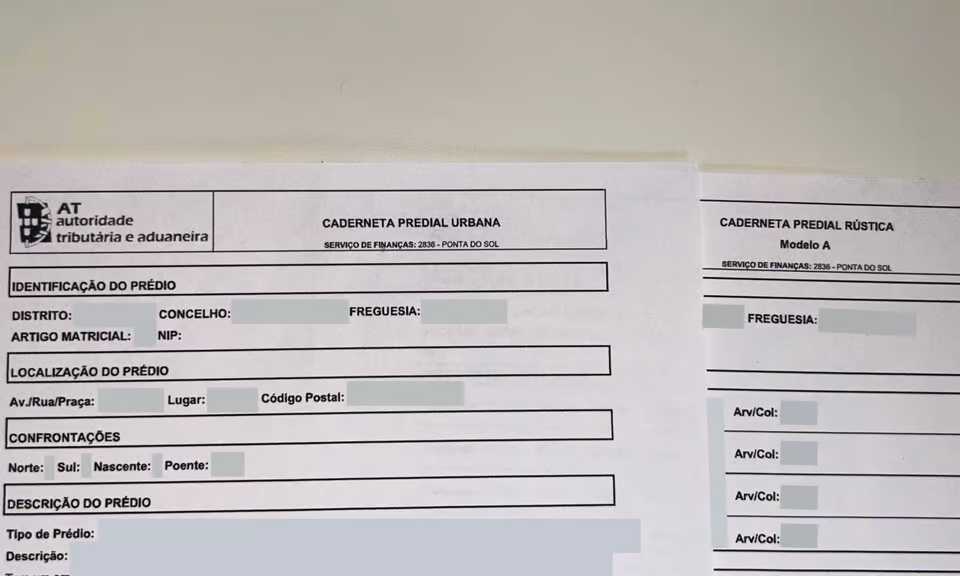
Discover the differences between rustic and urban properties in Portugal, including taxation, legal uses, and how to change a property from rustic classification to urban.
Main Tax Differences and Legal Rights
What is IMI?
The Municipal Property Tax (IMI) is an annual tax charged to property owners in Portugal. It is based on the property's taxable value (VPT), and the rate is defined by each municipality. The purpose of IMI is to fund local authorities, and it applies differently depending on the type of property: rural or urban. The legal framework of this tax is established in the Municipal Property Tax Code (CIMI).
What is a Rural Property?
Rural properties are defined as land intended for agricultural, forestry, or livestock purposes, located outside urban areas (or within them if legally restricted to such uses), including constructions, water sources and plantations associated with the land. This definition can be found in Article 3.º, Chapter I, Incidence, of the CIMI.
Right of First Refusal in Rural Properties
When selling a rural property, owners of adjoining land have the right of first refusal. This means they must be notified of the intention to sell and are given priority to purchase the property, provided the lands are in the same parish or in neighbouring parishes and outside urban areas. This right is established in Article 1380.º of the Portuguese Civil Code.
Taxation of a Rural Property
IMI is applied at a fixed annual rate of 0.8% on the taxable value (VPT) of the property. This rate is the same nationwide, and payment is made annually, with the option to pay in up to three instalments (April, July, and November).
What is an Urban Property?
An urban property is one intended for housing, commerce, services, or industry. It is typically located within an urban area and has access to infrastructure such as water, electricity, and sanitation, and it is built or has the potential for construction. The definition is found in Article 4, Incidence, of the CIMI.
Taxation of an Urban Property
IMI is charged based on the taxable value (VPT) at an annual rate between 0.3% and 0.45%, depending on the municipality. This rate may be reduced for families with dependents, as provided in Article 112.º, Chapter X, Rates, of the CIMI.
How to Change a Rustic Property into an Urban One
Changing a rural property record to an urban one can bring several advantages, especially when there is an intention to build or increase the property's value. The main advantages include:
Lower risk of issues related to the right of first refusal
In rural land, it is common to encounter legal complications related to the right of first refusal held by neighbouring or adjoining landowners. In many cases, the mandatory notification is not carried out correctly, which may lead to the sale being challenged even after the deed is signed. When buying or selling an urban plot, this risk virtually disappears, making the transaction safer. For this reason, purchasing urban land is often recommended.
Higher property valuation
An urban property record generally has a higher taxable value compared to a rural one, resulting in a significant increase in market value.
Possibility of construction
Once classified as urban, the land may allow for the construction of housing, commercial spaces, or services, depending on the municipal master plan (PDM). This increases the potential use of the property.
Greater ease in obtaining financing
Urban properties are generally more accepted as collateral by banks, making it easier to obtain credit for construction or investment.
Potential for rental or economic activity
With an urban classification, it becomes possible to develop projects that generate income, such as housing units, commercial establishments, or services.
Regularization and legal compliance
The change ensures that the property is aligned with its effective use, avoiding incompatibilities or legal restrictions associated with rural land.
Process of changing the property record
The alteration from a rural to an urban property record can be carried out by completing the IMI Model 1 Declaration, available in PDF format on the Portuguese Tax Authority portal: IMI Model 1 (PDF).
This declaration can be submitted online or delivered in person through the Tax Authority Portal (Portal das Finanças).
1. Approved architectural project
2. Construction feasibility assessment, issued by the Municipal Council of the area where the property is located.
This assessment confirms that the land can be classified as urban, provided the project complies with the Municipal Master Plan (PDM).
Contact us if you need help with this process.
What is IMI?
The Municipal Property Tax (IMI) is an annual tax charged to property owners in Portugal. It is based on the property's taxable value (VPT), and the rate is defined by each municipality. The purpose of IMI is to fund local authorities, and it applies differently depending on the type of property: rural or urban. The legal framework of this tax is established in the Municipal Property Tax Code (CIMI).
What is a Rural Property?
Rural properties are defined as land intended for agricultural, forestry, or livestock purposes, located outside urban areas (or within them if legally restricted to such uses), including constructions, water sources and plantations associated with the land. This definition can be found in Article 3.º, Chapter I, Incidence, of the CIMI.
Right of First Refusal in Rural Properties
When selling a rural property, owners of adjoining land have the right of first refusal. This means they must be notified of the intention to sell and are given priority to purchase the property, provided the lands are in the same parish or in neighbouring parishes and outside urban areas. This right is established in Article 1380.º of the Portuguese Civil Code.
Taxation of a Rural Property
IMI is applied at a fixed annual rate of 0.8% on the taxable value (VPT) of the property. This rate is the same nationwide, and payment is made annually, with the option to pay in up to three instalments (April, July, and November).
What is an Urban Property?
An urban property is one intended for housing, commerce, services, or industry. It is typically located within an urban area and has access to infrastructure such as water, electricity, and sanitation, and it is built or has the potential for construction. The definition is found in Article 4, Incidence, of the CIMI.
Taxation of an Urban Property
IMI is charged based on the taxable value (VPT) at an annual rate between 0.3% and 0.45%, depending on the municipality. This rate may be reduced for families with dependents, as provided in Article 112.º, Chapter X, Rates, of the CIMI.
How to Change a Rustic Property into an Urban One
Changing a rural property record to an urban one can bring several advantages, especially when there is an intention to build or increase the property's value. The main advantages include:
Lower risk of issues related to the right of first refusal
In rural land, it is common to encounter legal complications related to the right of first refusal held by neighbouring or adjoining landowners. In many cases, the mandatory notification is not carried out correctly, which may lead to the sale being challenged even after the deed is signed. When buying or selling an urban plot, this risk virtually disappears, making the transaction safer. For this reason, purchasing urban land is often recommended.
Higher property valuation
An urban property record generally has a higher taxable value compared to a rural one, resulting in a significant increase in market value.
Possibility of construction
Once classified as urban, the land may allow for the construction of housing, commercial spaces, or services, depending on the municipal master plan (PDM). This increases the potential use of the property.
Greater ease in obtaining financing
Urban properties are generally more accepted as collateral by banks, making it easier to obtain credit for construction or investment.
Potential for rental or economic activity
With an urban classification, it becomes possible to develop projects that generate income, such as housing units, commercial establishments, or services.
Regularization and legal compliance
The change ensures that the property is aligned with its effective use, avoiding incompatibilities or legal restrictions associated with rural land.
Process of changing the property record
The alteration from a rural to an urban property record can be carried out by completing the IMI Model 1 Declaration, available in PDF format on the Portuguese Tax Authority portal: IMI Model 1 (PDF).
This declaration can be submitted online or delivered in person through the Tax Authority Portal (Portal das Finanças).
1. Approved architectural project
2. Construction feasibility assessment, issued by the Municipal Council of the area where the property is located.
This assessment confirms that the land can be classified as urban, provided the project complies with the Municipal Master Plan (PDM).
Contact us if you need help with this process.
Need Help?
Have a question about the real estate market?
Q&AHave a specific request?
Specific request? Please Contact usMore Useful Information

Renting vs Buying in Madeira: What Makes More Sense?
With property prices rising consistently over recent years and demand showing no signs of slowing down, the question many people ask when considering Madeira is a straightforward one: is it better to rent or to buy?

AL in Funchal: The Future of Short-Term Rentals
New regulations for Short-Term Rentals are transforming Madeira's property market. What does this mean for those who have already invested, those looking to buy, and the future of property prices on the island?

PDM Ponta do Sol: Consult and Analyse
Access and consult Ponta do Sol’s PDM. Learn how to understand zoning, restrictions, and opportunities in the Municipal Development Plan quickly and easily.